August 20, 2026
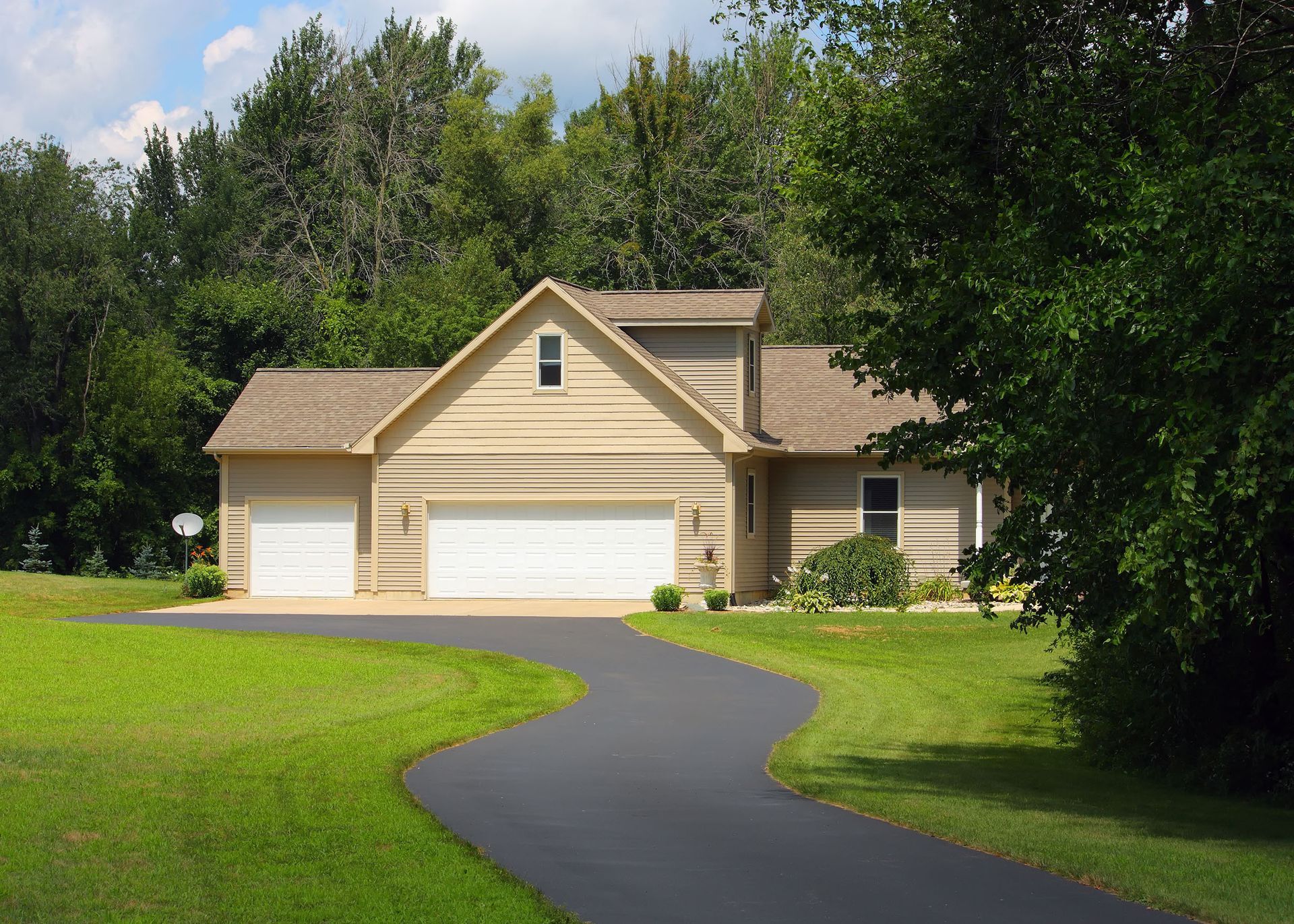
Preserving the ground surfaces around residential and commercial buildings requires consistent effort and careful attention. Property owners tend to overlook the ground they drive on until glaring problems become obvious. Implementing a proactive maintenance plan extends the lifespan of these structures. A pristine exterior landscape elevates the visual appeal of any estate. Addressing minor surface imperfections promptly prevents massive structural failures.
Harsh weather elements wage a continuous war against outdoor hardscapes. Blistering sun exposure dries out the essential binding materials, while persistent rain introduces destructive moisture into microscopic surface flaws. Freezing temperatures worsen these defects by expanding trapped water within the foundation layers. Total surface failure occurs when individuals ignore these environmental impacts.
Assessing the Surface for Damage
Estate managers must start their preservation routines with thorough visual inspections. Walking the complete perimeter of the area reveals subtle warning signs of impending deterioration. Inspectors should look for tiny fissures, faded coloration, and uneven spots where puddles form after intense rainstorms. Spotting these red flags early stops severe foundational decay from taking root. Consistent observation serves as the cornerstone of effective asphalt paving management.
Water intrusion acts as the greatest threat to long-term structural stability. Whenever moisture penetrates the protective topcoat, it washes away the vital gravel foundation resting underneath. This hidden erosion generates dangerous hollow cavities beneath the heavy top layer. Massive delivery vehicles driving over these unsupported sections force the brittle material to collapse inward. The resulting sunken depressions gather additional rainwater, which accelerates the cycle of destruction and decay.
Intense sun exposure also drives ongoing material breakdown. Ultraviolet rays bake the dark surface day after day, extracting essential petroleum oils from the original mixture. The binding agents become stiff and lose their natural flexibility. This loss of elasticity means the ground cannot expand and contract with natural temperature fluctuations. Stiffened materials fracture under the immense weight of standard passenger automobiles and commercial trucks.
Documenting every observed flaw helps facility directors prioritize future repair efforts. Noting the exact location and size of each defect ensures thorough remediation work later. Taking clear photographs provides a solid reference point for monitoring subtle changes across multiple seasons. Small fractures might stay stable for months, while others expand fast. Careful record-keeping guides property caretakers in allocating resources toward necessary improvements.
Clearing the Debris From Surfaces
Dirt, mud, and organic matter accumulate on outdoor hardscapes nonstop. Fallen leaves, sharp pine needles, and scattered grass clippings trap moisture against the ground. This trapped dampness speeds up the deterioration of the critical binder material holding the stones together. Removing this yard waste constitutes a crucial step in preserving the solid foundation. Sweeping with a stiff-bristled push broom dislodges loose organic material.
Leaking automotive fluids present a severe hazard to any asphalt paving. Motor oil, transmission fluid, and gasoline dissolve the petroleum-based glues holding the aggregate stones together. Dark stains from these chemical leaks demand immediate corrective action. Specialized degreasing solutions lift these harmful oils from the porous ground without harming the surrounding aggregate. Thorough water rinsing eliminates both the chemical cleaner and the extracted vehicular oils.
Aggressive vegetation encroachment causes substantial mechanical harm to boundary edges. Wild grass and resilient weeds send strong roots deep into tiny perimeter fissures. As these thirsty roots grow thicker, they force the narrow gaps wider and shatter solid chunks of material. Establishing a clear border trench creates a safe distance between manicured landscaping and the hardscape. Eliminating encroaching plant life deprives nature of the chance to cause physical destruction.
High-pressure washing delivers a profound cleanse for heavily neglected environments. Streams of water blast away embedded mud, sticky tree sap, and stubborn algae blooms. Operators must exercise caution to prevent stripping away the loose surface stones during this cleaning phase. The pristine surface requires ample drying time following a comprehensive wash session. A flawless, bone-dry foundation guarantees maximum adhesion for subsequent patching compounds and protective coatings.
Repairing the Cracks and Potholes
Addressing minor surface fractures prevents the eventual formation of massive vehicle-damaging craters. Flexible rubberized fillers deliver an elastic seal for narrow structural gaps. The patching material stretches and shrinks alongside the surrounding asphalt paving during volatile temperature swings. This flexibility maintains a watertight barrier across multiple changing seasons. Applicators push the thick liquid filler deep into the crevice to guarantee a permanent bond.
Wider crevices demand a different approach for long-lasting structural repairs. Heavy mastic compounds contain miniature aggregate stones blended with thick binding agents. This dense mixture bridges larger voids without sinking, shrinking, or fracturing over time. Troweling the mastic compound flat creates a smooth transition between the fresh repair and the original ground. The dense material requires sufficient resting time to cure before bearing the weight of passing vehicles.
Deep potholes indicate a total failure of the underlying gravel base layer. Fixing these dangerous craters involves excavating all loose and crumbling debris from the sunken void. Maintenance personnel pack heavy cold-patch compound or heated aggregate mixtures into the clean hole. Compacting the fresh compound with a heavy steel tamper forces out trapped air pockets. Maximum compaction guarantees a dense, flat finish that rejects future water penetration.
Perimeter deterioration needs unique attention during the active repair phase. The outer edges lack the strong lateral support present in the center of the solid mass. Crumbling boundaries require clean vertical cuts to give the fresh patching material a solid wall to grip. Packing dense soil against the outside perimeter provides necessary backing for the vulnerable edges. This earth support stops the new compound from flattening and cracking.
Applying the Protective Seal Coat
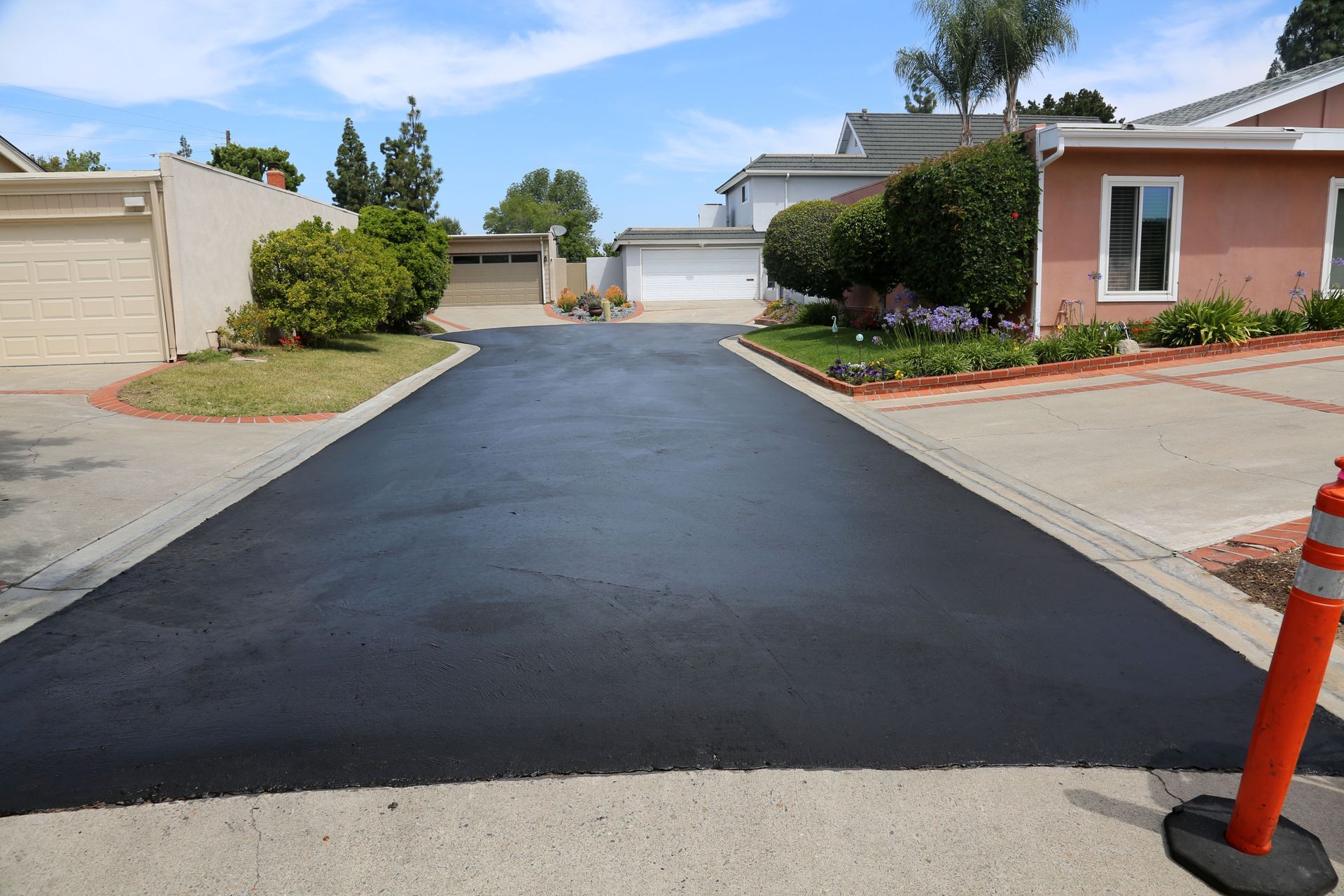
Ongoing surface protection remains the ultimate objective of any comprehensive maintenance program. A high-quality liquid barrier shields the porous aggregate from ultraviolet radiation and corrosive chemical spills. This dark protective layer restores the rich black aesthetic of a brand-new installation. The thin coating acts as a sacrificial shield against the harsh elements. Harsh weather and tire friction wear away this layer instead of destroying the foundational asphalt paving.
Selecting the right time for application requires careful evaluation of local weather patterns. The liquid coating needs warm ambient temperatures and sunny skies to dry and harden. Sudden rainstorms wash away uncured liquid, ruining the project and polluting local storm drains. Ground temperatures must stay elevated throughout the hardening process. Caretakers monitor atmospheric forecasts to pick the perfect window for this essential task.
The frequency of these protective applications depends upon the local climate and usage levels. According to This Old House, a driveway should be sealed every three to five years or when the surface starts looking gray and worn. Waiting too long leaves the structural binder exposed to damaging solar oxidation. However, applying the liquid layer too often creates a thick, brittle crust. This excessive buildup soon peels off in jagged flakes.
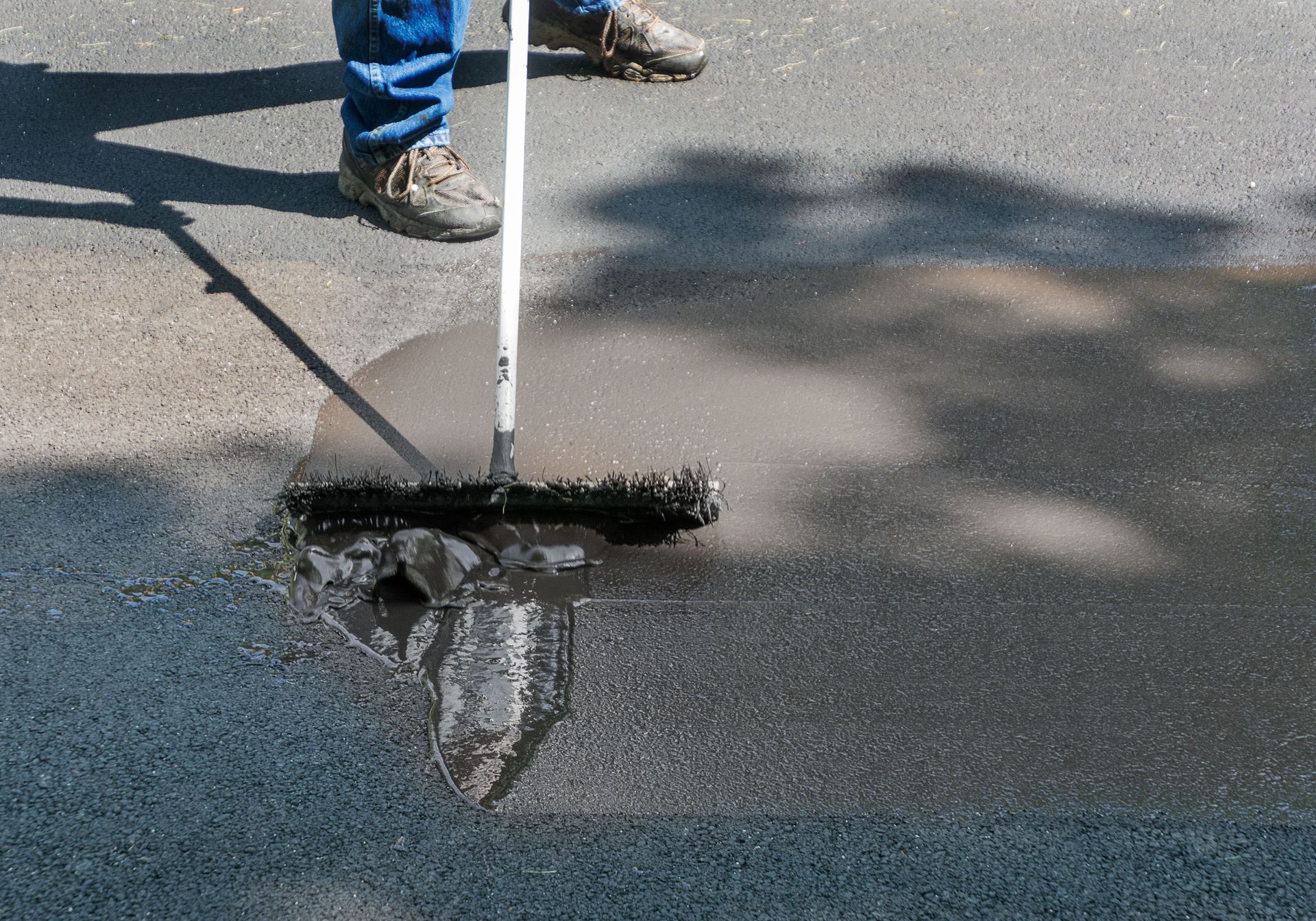
Various application techniques influence the overall lifespan of the protective moisture barrier. Heavy squeegees force the thick liquid down into microscopic surface pores, forging a strong mechanical bond. Pressurized spray systems distribute an even, consistent layer across massive commercial parking lots. Many seasoned professionals blend both techniques to achieve superior, long-lasting results. Barricading the finished zone stops passing cars from ruining the flawless surface before it achieves full hardness.
Diligent attention preserves both the structural soundness and the visual charm of exterior hardscapes. Consistent debris sweeping, immediate stain extraction, and proactive fracture filling create a strong defense against decay. Well-kept asphalt paving elevates the intrinsic value and curb appeal of any property. The energy poured into systematic upkeep yields impressive, long-lasting dividends. Grasping the unique vulnerabilities of asphalt paving empowers individuals to take corrective action before disaster strikes. Contact us at Falls Church Paving Co Inc today, so we can handle your next maintenance project. We provide professional asphalt paving services designed to extend the lifespan of your exterior surfaces.